
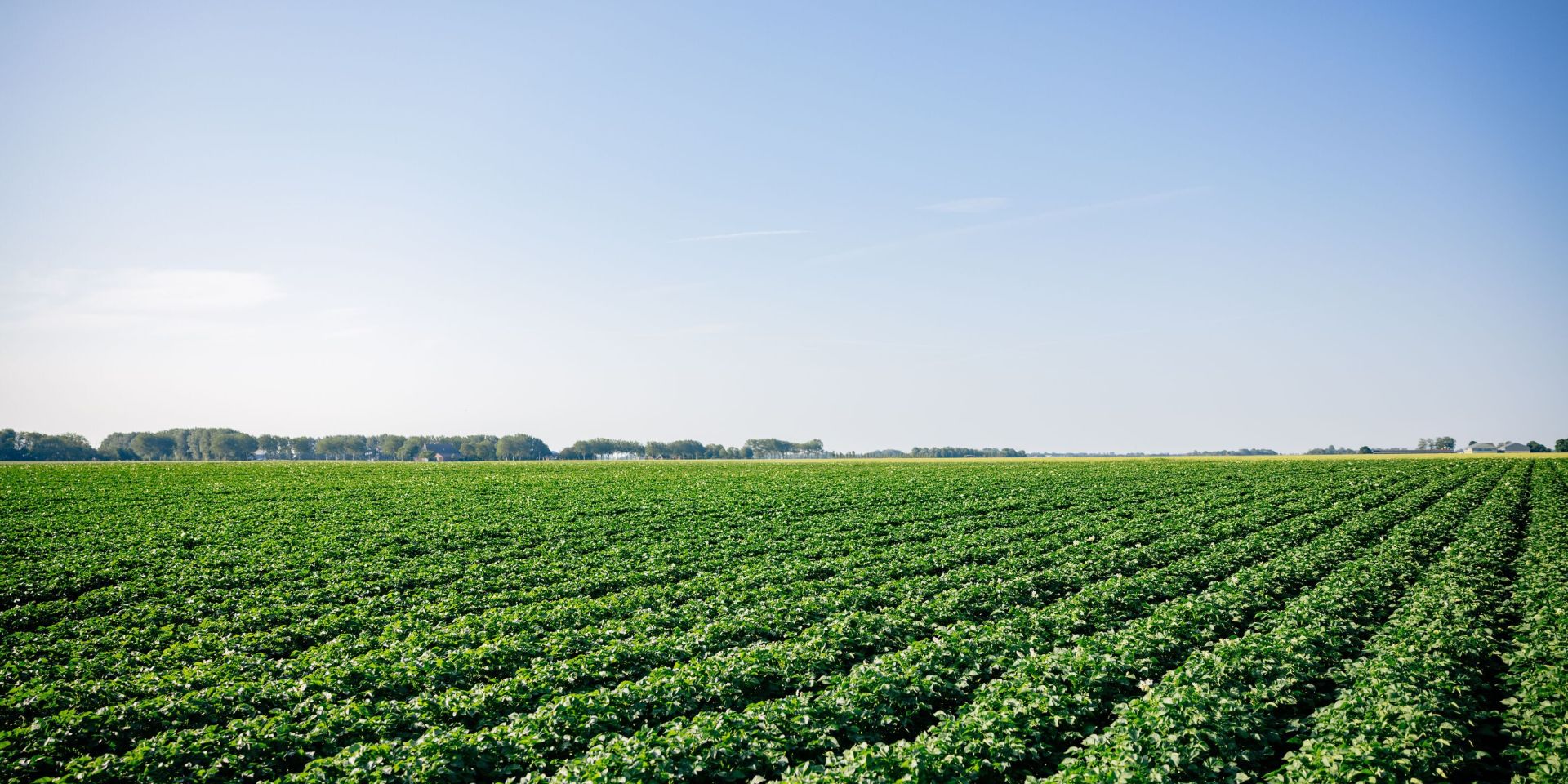
Turning research into resilient crops
Understanding diseases is key to developing resilient varieties and supporting successful potato production. On this page, discover how our Research & Agronomy teams monitor, study and evaluate potato diseases, turning insights into practical solutions for growers worldwide.
Fusarium
Building resilience beyond chemical control
Challenge
Fusarium causes dry rot, leading to severe tuber decay, quality degradation, and major economic losses during storage.
Solution
Resilient varieties, healthy seed and targeted control help reduce disease pressure.
Impact
Protecting crop yields, ensuring long-term storage viability, preserving quality and market.

Erwinia
(Soft Rot Pectobacteriacea)
Building resilience from field to storage
Challenge
Erwinia can affect seed quality, emergence, and crop uniformity.
Solution
Clean seed, robust varieties, and best management practices help minimize risk.
Impact
More uniform crops, stronger establishment, and greater reliability throughout the season.

Rhizoctonia
Building resilience through the right timing
Challenge
Rhizoctonia can affect emergence, root development, and tuber quality
Solution
Resilient varieties, healthy seed, soil stewardship reduce disease impact.
Impact
Faster Immergence and growth, higher quality potatoes, and more consistent results.

Wireworms
Building resilience against soil pests
Challenge
Wireworms can damage tubers and reduce marketable yield.
Solution
Monitoring, crop rotation and risk assessment help protect crops.
Impact
Less tuber damage, higher marketable yield, and greater value at harvest.

Virus
Building resilience against virus pressure
Challenge
Virus can reduce yield, tuber quality, and seed value.
Solution
Resistant varieties, certified seed and monitoring help limit infection.
Impact
Healthier plants, improved quality, and more consistent performance.
Read more about virus
